
Microwaves are essential appliances in many households, especially in Sun Valley, where quick meal preparation is often necessary. When your microwave malfunctions, it can disrupt your daily routine. This guide will help you troubleshoot common microwave issues effectively. You'll learn about basic and advanced troubleshooting steps, what mistakes to avoid, and when to call a professional.
Common Microwave Issues
Understanding the common issues that can affect your microwave is the first step in troubleshooting. Here are some frequent problems:
- Microwave won't start: This can be caused by a blown fuse, a faulty door switch, or issues with the power supply.
- Microwave runs but doesn't heat: This often indicates a malfunctioning magnetron or capacitor.
- Strange noises: Unusual sounds can be a sign of a failing motor or a loose component.
- Turntable not rotating: This may be due to a faulty turntable motor or improper placement of the microwave.
Basic Troubleshooting Steps
Before diving into complex repairs, start with these basic troubleshooting steps:
- Check the power supply: Ensure that the microwave is plugged in and the outlet is functional. You can test the outlet with another appliance.
- Inspect the door: Make sure the microwave door closes properly. A misaligned door can prevent the appliance from starting.
- Reset the microwave: Unplug the microwave for a few minutes, then plug it back in. This can reset the internal electronics.
- Examine the fuse: If the microwave won't start, check the internal fuse. If it's blown, replace it with a fuse of the same rating.
Advanced Troubleshooting Techniques
If basic steps don't resolve the issue, consider these advanced troubleshooting techniques:
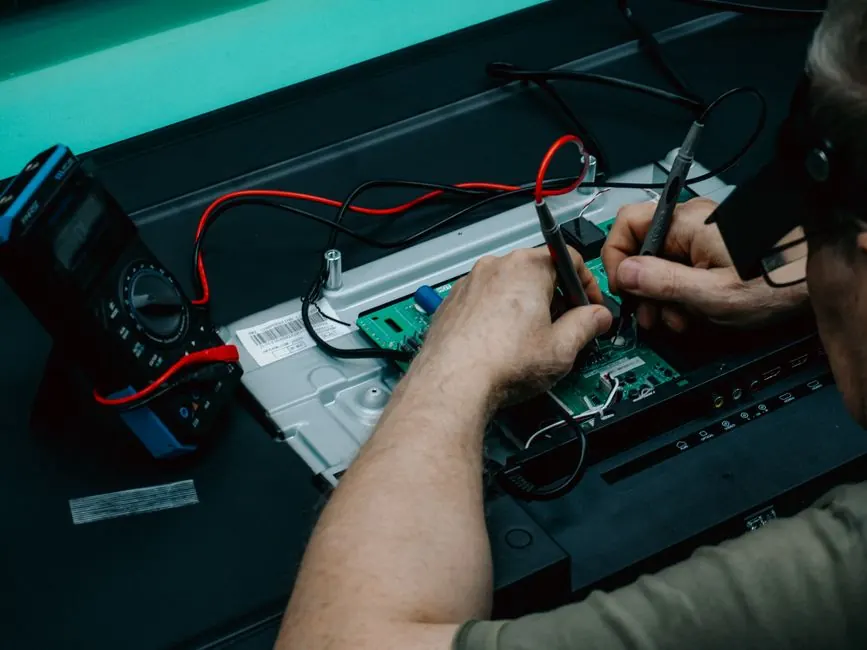
- Testing the door switch: Use a multimeter to test the door switch for continuity. If it fails, it needs replacement.
- Inspecting the magnetron: If your microwave runs but doesn't heat, the magnetron may be faulty. This requires professional assessment.
- Checking the capacitor: A malfunctioning capacitor can cause heating issues. Ensure you discharge it safely before testing.
Common Mistakes to Avoid
When troubleshooting your microwave, avoid these common mistakes:
- Ignoring safety: Always unplug the microwave before attempting any repairs. Capacitors can store dangerous charges.
- Overlooking user manual: Refer to the user manual for specific troubleshooting tips related to your microwave model.
- Assuming a simple fix: Some issues, like a malfunctioning magnetron, require professional attention. Don't hesitate to call for help.
When to Call a Professional
If your troubleshooting efforts don't resolve the problem, it's time to call a professional. At San Rafael Appliance Repair, we specialize in microwave repair in San Rafael and can diagnose complex issues safely and effectively. Our experienced technicians can handle everything from minor repairs to complete replacements.
Frequently Asked Questions
1. What should I do if my microwave is making a loud noise?
Loud noises can indicate a problem with the turntable motor or the magnetron. It's best to stop using the microwave and consult a professional.
2. How do I know if my microwave's fuse is blown?
If your microwave doesn't turn on, check the fuse. If it looks blackened or broken, it's likely blown and needs replacement.
3. Can I fix a microwave myself?
While some minor issues can be fixed at home, many microwave repairs require professional expertise due to safety concerns.
4. How long do microwaves typically last?
Most microwaves last between 9 to 10 years, depending on usage and maintenance. Regular cleaning and care can extend their lifespan.
5. What are the signs that I need a new microwave?
If your microwave frequently malfunctions, is over 10 years old, or shows signs of damage, it may be time to invest in a new one.